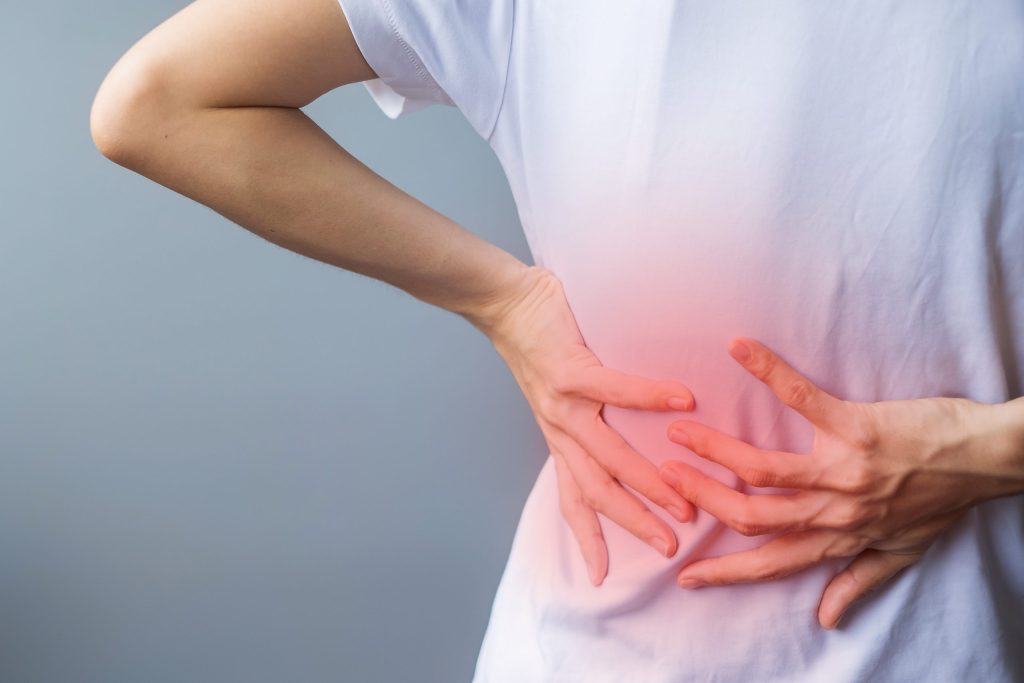
Will back pain go away? In many cases, yes. Acute, nonspecific low back pain often improves over several weeks, although some episodes last longer or return. Staying active, avoiding prolonged bed rest, pacing your activities, and using symptom-guided exercise can support recovery. Seek medical care sooner when pain is rapidly worsening, follows a serious accident, or comes with new bowel or bladder changes, numbness around the groin, or weakness in both legs. [2]
| Important
This article is for education and is not a diagnosis. New or severe neurological symptoms, major trauma, fever with back pain, chest pain, or loss of bowel or bladder control require urgent medical evaluation. |
Will Back Pain Go Away on Its Own?
For many people, back pain does improve. A 2026 review in JAMA reports that approximately 90% of people who seek care for low back pain have nonspecific low back pain. This means the symptoms are not associated with a specific condition such as a fracture, infection, cancer, inflammatory disease, spinal stenosis, or a clearly defined nerve-root disorder. [1]
“Nonspecific” does not mean that the pain is imaginary or unimportant. It means that a single damaged structure often cannot fully explain the symptoms. A careful history and physical examination can still identify how the pain is affecting your movement, strength, nerves, work, sleep, and daily activities.
So, will back pain go away without treatment? It often can, especially when the episode is recent and no warning signs are present. However, pain that is not trending better, repeatedly returns, spreads into a leg, or limits normal activities deserves an individualized assessment.
How Long Does Lower Back Pain Last?
Back pain recovery time differs from person to person. Current clinical terminology generally divides low back pain by duration: [1]
| Stage | Duration | What it means |
| Acute | Less than 6 weeks | A recent episode that is often self-limited |
| Subacute | 6 to 12 weeks | Symptoms are continuing beyond the early stage |
| Chronic | More than 12 weeks | Pain has persisted and may require a broader, individualized plan |
These labels describe duration; they do not diagnose the cause of the pain. The NHS notes that back pain usually improves within a few weeks, although it can last longer or return. [2]
Instead of judging recovery only by a pain score, look for functional changes. You may be recovering when you can walk farther, sleep more comfortably, change positions more easily, complete daily tasks with fewer symptoms, or recover more quickly after activity.
What Affects Back Pain Recovery Time?
There is no single recovery calendar. Your timeline may be influenced by the pattern of your symptoms, previous back-pain episodes, leg pain or neurological symptoms, work demands, heavy lifting, general health, mood, tobacco use, and conditions such as diabetes.
These factors do not determine your future. They help a clinician decide how much support you may need and which barriers should be addressed. The goal is not to find fault; it is to build a realistic plan that helps you move forward safely.
How to Recover From Back Pain Faster: 7 Practical Steps
1. Keep Moving Within a Tolerable Range
Try to continue normal daily activities as much as you reasonably can. You may need to shorten a walk, reduce a load, or take more breaks, but complete inactivity is rarely the best first step for uncomplicated low back pain.
Use symptoms as feedback. Mild, temporary discomfort during movement may be acceptable, but stop and seek advice when an activity causes rapidly increasing pain, new weakness, spreading numbness, or symptoms that do not settle afterward.
Current reviews and clinical guidelines recommend remaining active and continuing usual activities when possible. [1]
2. Avoid Prolonged Bed Rest
A short rest can be useful when pain flares, but staying in bed for long periods can make it harder to regain normal movement and confidence. Change positions regularly and take brief, comfortable movement breaks throughout the day.
The best position is often the next comfortable position. You do not need to hold one “perfect” posture all day.
Both the 2026 JAMA review and current NHS advice recommend avoiding prolonged bed rest. [1] [2]
3. Use Heat or Ice for Short-Term Comfort
Heat may ease stiffness or muscle spasm, while an ice pack may feel better after a painful flare. Use a cloth barrier to protect your skin and choose the option that gives you the most relief.
Heat and ice can help with comfort, but they are not a complete recovery plan. Pair symptom relief with gradual movement and a return to meaningful activities. [2]
4. Pace Activity Instead of Doing Everything at Once
A common cycle is to do very little on painful days, then do too much as soon as symptoms ease. Activity pacing creates a steadier path.
Break demanding tasks into smaller sections, alternate heavier and lighter activities, and increase what you do gradually. The goal is to build capacity without repeatedly triggering major flare-ups. Activity pacing is included in current recommendations for self-management of low back pain. [1]
5. Start With Symptom-Guided Walking or Gentle Exercise
Walking is accessible and often well tolerated. Begin with a duration that feels manageable, even a few minutes, and adjust the pace or distance based on your response.
There is no single exercise that is best for every type of back pain. An exercise should match your symptoms, goals, health history, and current abilities. Stop and obtain guidance if it produces worsening leg pain, new numbness, or weakness.
Walking and other tolerable activities can help people remain active, while clinical guidance recommends tailoring exercise to the person’s needs and capabilities. [2] [3]
6. Progress Strength, Mobility, and Confidence
As symptoms settle, recovery should move beyond temporary relief. Gradually rebuild the strength and mobility required for your work, household tasks, hobbies, and sports.
Manual therapy may be considered when appropriate, but it should not be presented as a stand-alone cure. NICE recommends using manual therapy as part of a treatment package that includes exercise, with or without a psychological component. [3]
7. Get an Assessment When Progress Stalls
You do not have to wait until pain becomes chronic. Consider a clinical evaluation when your symptoms:
- Are not clearly improving
- Repeatedly return
- Disturb sleep
- Interfere with work or daily life
- Travel down a leg
- Leave you unsure about what movement is safe
A physical therapist can screen for warning signs, assess movement and neurological function, and create a plan based on your limitations and goals.
When Back Pain Needs Urgent Medical Attention
Most back pain is not caused by a dangerous condition, but certain symptoms should not be managed only with online advice.
Call 911 or go to an emergency department for back pain with:
- New loss of bladder or bowel control
- New numbness around the genitals, anus, or inner thighs
- New pain, tingling, weakness, or numbness in both legs
- Chest pain
- Pain that began after a serious accident
Seek prompt medical assessment for severe pain that starts suddenly or worsens quickly, back pain with fever or feeling seriously unwell, unexplained weight loss, a history of cancer, or pain that is steadily worsening rather than improving. [2]
When Physical Therapy for Back Pain May Help
Physical therapy may be useful when back pain limits your movement, work, sleep, exercise, or confidence. It can also help when symptoms keep returning or when generic online exercises have not matched your needs.
At Manual Therapy Associates in Arvada, an evaluation may include:
- A detailed history
- Movement, strength, and neurological screening
- Education about your symptoms
- A personalized activity and exercise plan
- Manual therapy, myofascial techniques, or dry needling when clinically appropriate
- A graded return to work, recreation, or sport
Routine imaging is not necessary for every episode of low back pain. Guidelines advise against routine imaging in a non-specialist setting and recommend considering it when serious pathology is suspected or when the result is likely to change management. [3]
Dr. Sandra A. Do, DPT, OCS, FAAOMPT, is an Orthopedic Clinical Specialist and Fellow with decades of experience treating back and neck pain. Learn more about Dr. Sandra Do’s credentials, manual therapy, and back and neck pain treatment at Manual Therapy Associates.
Can Back Pain Come Back After It Goes Away?
Yes. Back pain can recur even after a successful recovery. The NHS notes that symptoms may last longer than expected or return after improving. [2]
A recurrence does not automatically mean that your spine has become damaged or that treatment failed. A useful long-term plan focuses on maintaining activity, building the physical capacity your life requires, recognizing early flare-up patterns, and knowing how to adjust activity without becoming fearful of movement.
The goal is not a promise that you will never feel back pain again. It is greater function, confidence, and control.
Frequently Asked Questions
What Is the Fastest Way to Relieve Back Pain at Home?
There is no universal fastest remedy. For uncomplicated back pain, a practical starting point is gentle activity, avoiding prolonged bed rest, using heat or ice for comfort, and pacing demanding tasks. Ask a physician or pharmacist whether medication is appropriate for you. [2]
Is Walking Good for Lower Back Pain?
Walking may help many people stay active without placing high demands on the back. Start with a manageable time and increase gradually. Stop and seek advice if walking causes rapidly worsening pain, new weakness, or increasing numbness.
Is It Better to Rest or Stay Active With Back Pain?
Brief rest may be helpful during a flare, but prolonged bed rest is generally discouraged. Continue normal activities within tolerance and modify duration, load, or pace as needed. [2]
Does Poor Posture Cause Back Pain?
Posture can affect comfort, but it is rarely the whole explanation. Rather than trying to maintain one rigid “correct” posture, change positions regularly, organize your workspace comfortably, and build the strength and endurance needed for your daily tasks.
When Should I See a Physical Therapist for Back Pain?
Consider an evaluation when pain is not trending better after home care, keeps returning, limits daily activities, travels into a leg, or makes you uncertain about safe movement.
Seek urgent medical care instead when warning signs such as bowel or bladder changes, saddle numbness, major trauma, or rapidly progressing weakness are present.
The Bottom Line
Will back pain go away? For many people, it does improve, especially when the episode is recent and serious warning signs are absent. Recovery is rarely about finding one perfect stretch or passive treatment. It is usually supported by appropriate activity, symptom management, progressive exercise, and a plan matched to the person.
Looking for back pain treatment in Arvada, CO? Manual Therapy Associates provides individualized physical therapy and manual therapy to help patients return to the activities that matter to them. Call or text 303-668-2898, or use the Schedule Now link to request an appointment.
Medical disclaimer: This content is for general education and does not replace an examination or individualized medical advice.