Updated for 2026. This article is for general education and is not medical advice. For guidance specific to your condition, schedule an evaluation with a licensed provider.
If you’ve been Googling “dry needling vs acupuncture”, you’re in the right place. These treatments can look similar because both use very thin needles—but they’re based on different philosophies and are often used for different goals.
At Manual Therapy Associates in Arvada, Colorado, Dr. Sandra Do offers dry needling as part of a broader manual physical therapy and exercise-based plan of care. We do not provide acupuncture in-office, but we respect its role in multidisciplinary care and can help you coordinate with trusted local providers if it fits your goals.
Quick Take: Dry Needling vs Acupuncture
- Choose dry needling when your main issue is muscle tightness, trigger points, restricted range of motion, sports injuries, or movement-related pain patterns.
- Consider acupuncture if you’re looking for a whole-body approach often used for pain, stress, sleep, and wellness support (with a licensed acupuncturist).
- Not sure? Start with an evaluation. The best choice depends on your history, exam findings, and goals.
What Is Dry Needling?
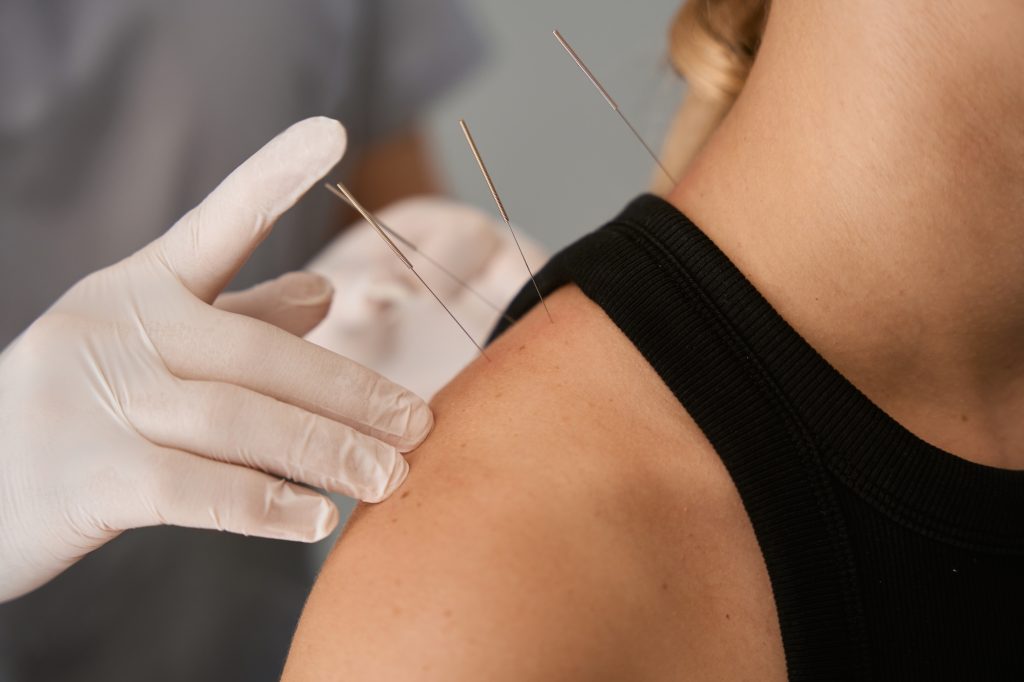
Dry needling is a skilled intervention commonly used by physical therapists to address pain and movement problems related to myofascial trigger points (often described as “knots” in muscle). The needle is placed into or near a trigger point to help reduce sensitivity, decrease muscle tension, and improve motion.
What does dry needling feel like?
Most people describe it as a brief pinch or pressure. If the needle hits an irritable trigger point, you may feel a quick muscle “twitch” response. It’s common to feel temporary soreness afterward—similar to how you might feel after a challenging workout.
What can dry needling help with?
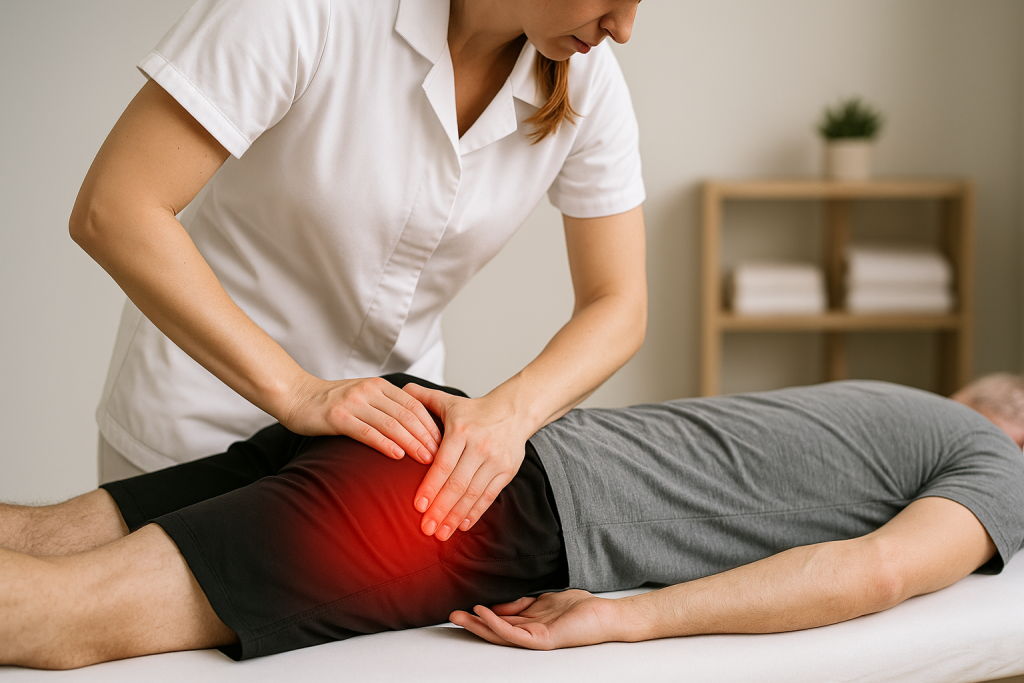
Dry needling is most often used for musculoskeletal pain and movement limitations. In our clinic, we commonly consider it when trigger points, muscle guarding, and persistent tension are slowing progress with manual therapy and exercise.
What Is Acupuncture?
Acupuncture is a treatment from traditional Chinese medicine in which a practitioner inserts fine needles into specific points on the body. Those points are traditionally selected along energy pathways (often called meridians) to support balance and the body’s natural healing response.
Acupuncture is performed by a licensed acupuncturist (training/licensure varies by state). While we don’t provide acupuncture at Manual Therapy Associates, we often work collaboratively when a patient benefits from both a physical therapy plan and an acupuncture approach.
Key Differences at a Glance
| Feature | Dry Needling | Acupuncture |
| Main goal | Reduce trigger point sensitivity, improve mobility, normalize muscle tone | Support whole-body balance and health using traditional point systems |
| Framework | Western neuro-musculoskeletal exam + movement-based reasoning | Traditional Chinese medicine concepts (meridians/points) |
| Where needles go | Often into/near tight bands, trigger points, or involved tissues | Specific acupuncture points (may be local or distant) |
| Who performs it | Trained healthcare providers (often physical therapists, depending on state law) | Licensed acupuncturists |
| Best fit for | Movement pain, muscle tension, sports injuries, rehab support | Pain + broader wellness goals (stress, sleep, etc.) depending on patient preference |
Benefits and Considerations
Potential benefits of dry needling (when it’s the right tool)
- Reduced muscle tightness and trigger point irritability
- Improved range of motion
- Better tolerance to strengthening and movement retraining
- Support for recovery when combined with manual therapy and exercise
Potential benefits of acupuncture
- Often used to support pain management
- Many people seek it for stress regulation and sleep support
- Can complement rehabilitation when coordinated appropriately
Safety and Side Effects: What to Know
Both dry needling and acupuncture use very thin, sterile, single-use needles when performed properly.
Common dry needling side effects
- Soreness for 24–48 hours
- Minor bruising
- Temporary fatigue or lightheadedness in some people
When to be cautious
Tell your provider if you are pregnant, have a bleeding disorder, are taking blood thinners, have a compromised immune system, or have significant needle anxiety. Your provider should screen for safety and discuss alternatives if needed.
Is Dry Needling “Just Acupuncture”?
No. Dry needling and acupuncture may use similar-looking needles, but they differ in training pathways, clinical reasoning, and treatment goals.
Dry Needling in Colorado: Training and Consent Requirements
Colorado regulations include specific requirements for physical therapists who perform dry needling, including documented competency, additional training, and written informed consent.
How We Use Dry Needling at Manual Therapy Associates
In our Arvada clinic, dry needling is rarely a stand-alone “quick fix.” We typically combine it with:
- manual therapy (hands-on joint/soft tissue techniques)
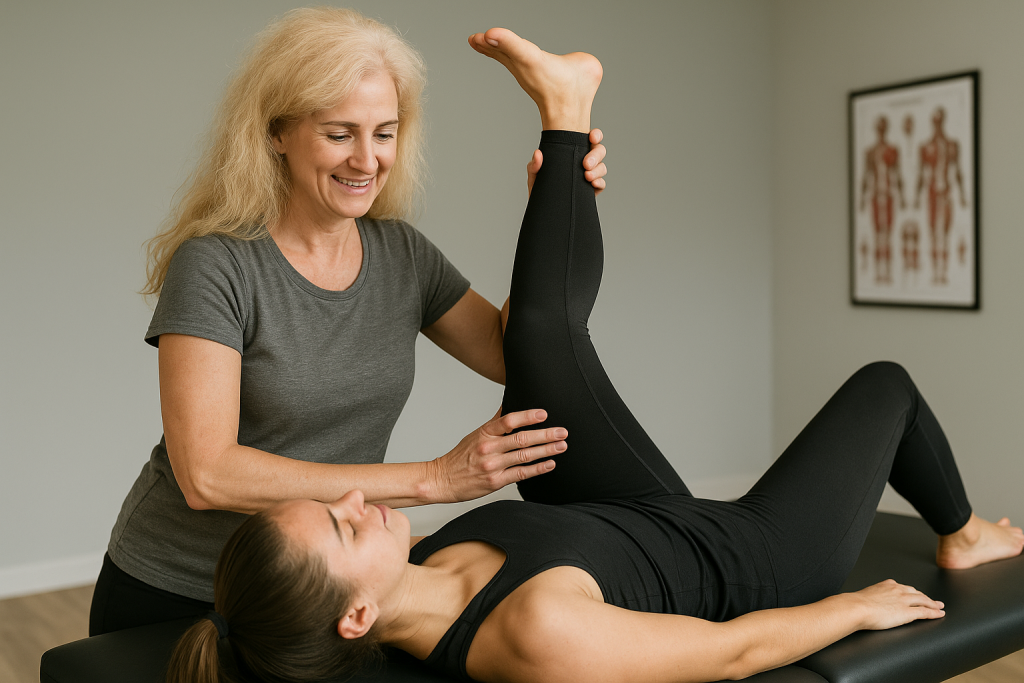
- mobility work
- strengthening and movement retraining
- education to reduce flare-ups and keep gains long-term
Which One Is Right for You?
If your primary issue is movement-related pain, tightness, and recurring trigger points, dry needling paired with a targeted rehab plan may be the best starting point. If your goals are broader and include whole-body regulation and wellness support, acupuncture may be worth exploring with a licensed acupuncturist.
The simplest next step: schedule an evaluation so we can match the right intervention to your exam findings and goals.
Schedule an Appointment
Ready to see if dry needling fits your plan of care? Visit ManualTherapyAssociates.com or call/text our Arvada office to schedule.
FAQs
How do I know if dry needling or acupuncture is right for me?
If your symptoms are driven by movement, muscle tightness, and trigger points, dry needling may be a good fit. If your goals include a whole-body wellness approach, acupuncture may be worth exploring. An evaluation is the best way to decide.
Does Manual Therapy Associates offer acupuncture?
No—our clinic provides dry needling and manual physical therapy. We can help coordinate care with local acupuncture providers if you’d like to include it in your overall plan.
How many dry needling sessions will I need?
It varies. Some people notice improvement quickly, while others need a short series of sessions—especially when symptoms are longstanding. Your plan should be based on exam findings and response to treatment.
Does dry needling hurt?
Most people feel a brief pinch/pressure. If a trigger point is very irritated, you may feel a short twitch and temporary soreness afterward.
Are these therapies covered by insurance?
Coverage depends on your plan and provider. Manual Therapy Associates is out-of-network for many plans; we can help you understand options. Work-injury and auto-related coverage may apply in certain cases.
How do I book an appointment?
Use the “Schedule Now” button on our website or contact our Arvada office to set up a consultation.
Check out our Facebook page