Quick answer
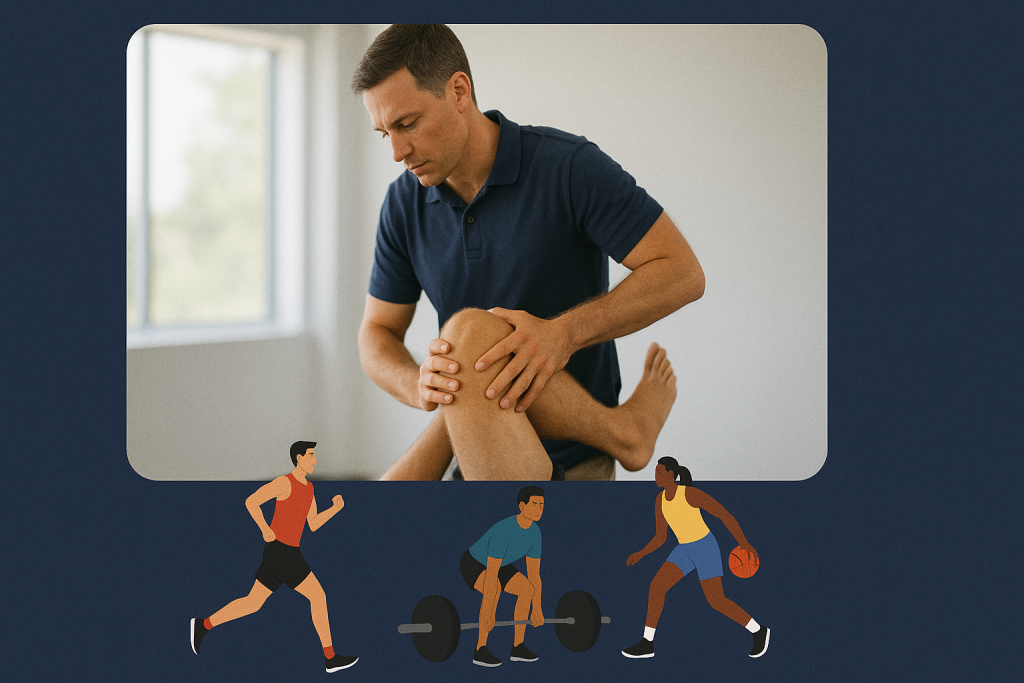
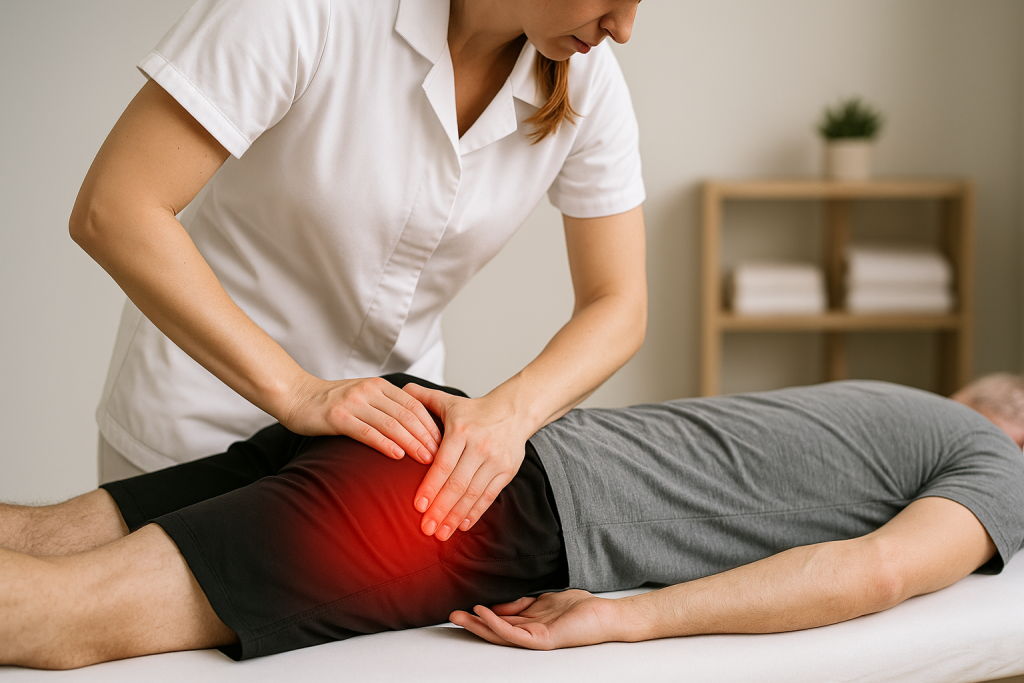
Manual therapy is the skilled, hands-on component of physical therapy. A licensed physical therapist may use specific movements and pressure to assess and treat joints, muscles, fascia, and nerves. The goal is to reduce symptoms, improve movement, and help a patient participate more comfortably in exercise, work, recreation, and everyday activities.
Manual therapy techniques are not a one-size-fits-all cure. The appropriate method, pressure, and dosage depend on your health history, symptoms, movement limitations, goals, and response to treatment. Modern physical therapy generally combines hands-on treatment with education, prescribed movement, and an individualized home program rather than relying on passive treatment alone.
What Is Manual Therapy?
Manual therapy is a group of hands-on examination and treatment methods used by physical therapists and other qualified healthcare practitioners. In physical therapy, these methods may be applied to joints, muscles, tendons, connective tissue, or nerves.
A treatment session might include slow joint movement, targeted soft-tissue pressure, assisted stretching, resisted muscle contractions, nerve-gliding movements, traction, or a carefully selected joint manipulation. The therapist should explain why a technique is being recommended and what response is expected.
Manual therapy is not simply another name for massage. It is also not limited to joint manipulation or the “popping” of a joint. A physical therapist chooses a technique after evaluating how you move, what reproduces your symptoms, which activities are difficult, and whether there are reasons to modify or avoid treatment.
A useful way to think about manual therapy is that it may create a temporary opportunity for easier, more comfortable movement. Exercise and gradual activity then help build the strength, control, and capacity needed to maintain progress.
Seven Common Manual Therapy Techniques
1. Joint Mobilization
Joint mobilization uses slow, controlled movements applied to a joint. The movement may be very gentle or may approach the available end of the joint’s range, depending on the treatment goal and the patient’s tolerance.
A physical therapist may use joint mobilization when pain or stiffness makes it difficult to turn the neck, raise an arm, bend an ankle, rotate the hip, or complete another functional movement. The technique should be followed by reassessment to see whether range of motion, comfort, or function changed.
2. Joint Manipulation
Joint manipulation generally uses a quick, small-amplitude movement. A popping sound may occur, but the sound is not the purpose of treatment and does not determine whether the technique was successful.
Manipulation is not appropriate for every patient, joint, or health condition. It should only be considered after screening, an explanation of alternatives and potential risks, and the patient’s consent. A gentler mobilization or another treatment may be a better choice in many situations.
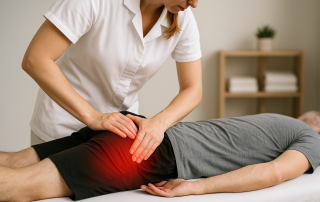
3. Soft-Tissue Mobilization
Soft-tissue mobilization uses targeted pressure, movement, or stretching over muscles, tendons, and surrounding connective tissues. The therapist may use their hands or, in some settings, a specialized instrument.
The goal may be to reduce protective muscle guarding, improve tolerance to movement, or make a restricted activity more comfortable. Effective treatment does not necessarily require deep or painful pressure. The appropriate intensity depends on the tissue, symptoms, and person being treated.
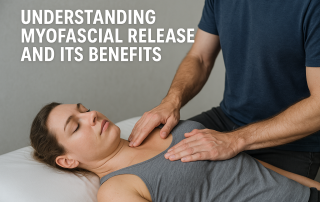
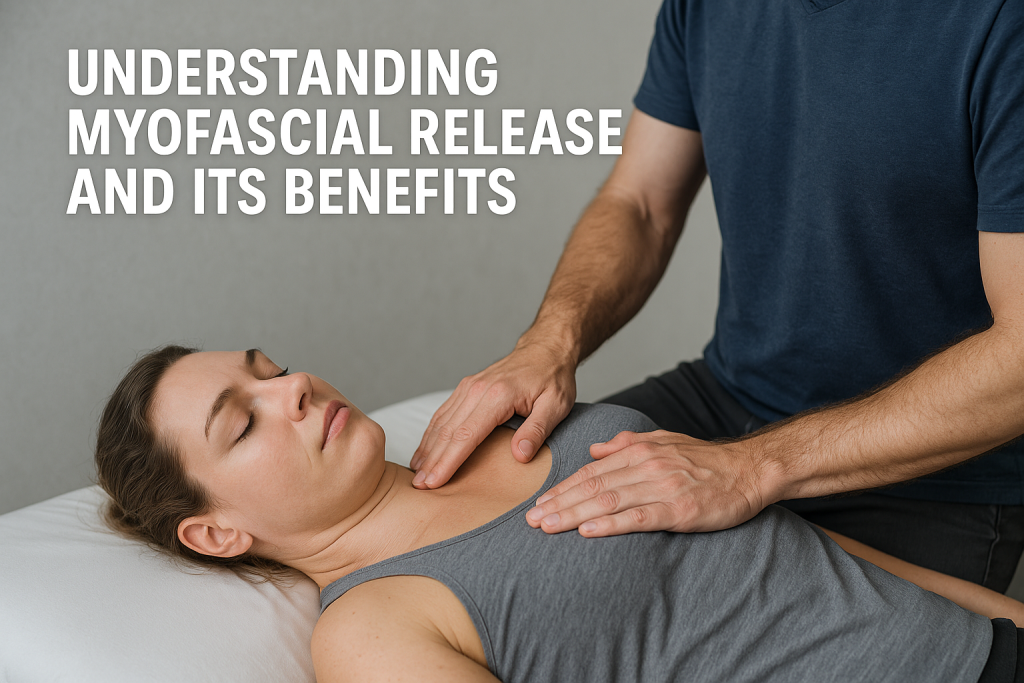
4. Myofascial Release
Fascia is connective tissue associated with muscles and other structures throughout the body. Myofascial release usually involves slow, sustained pressure or movement directed toward an area of soft-tissue restriction.
Patients often describe this approach as gentler and slower than deep-tissue massage. The technique should be tied to a measurable goal—for example, improving the ability to turn the head, reach overhead, walk comfortably, or tolerate a strengthening exercise—rather than being presented as a universal way to “release” every symptom.
5. Muscle Energy Techniques
Muscle energy techniques involve active participation from the patient. The therapist places the body in a controlled position and asks the patient to contract a particular muscle against resistance. After the contraction, the area may be repositioned or moved through a newly available range.
These techniques may be used to address muscle guarding, improve motion, or help the patient become more comfortable actively controlling a movement.
6. Neural Mobilization
Nerves need to move relative to the tissues around them as the body bends, reaches, and walks. Neural mobilization—sometimes called nerve gliding—uses carefully graded movements intended to improve a sensitive nerve’s tolerance to motion.
These movements should not be aggressive. For selected patients with radiating, tingling, or nerve-related symptoms, a therapist may use gentle “slider” movements and monitor whether symptoms become better, worse, or remain unchanged.
7. Manual Traction and Assisted Movement
Manual traction uses a gentle pulling or separating force. It may be considered for selected neck, back, or joint complaints, depending on the examination findings and the person’s response.
A therapist may also assist a movement or stretch while controlling its direction and intensity. Neither traction nor stretching is automatically appropriate for every painful or stiff area. Treatment should be continued only when it contributes to a meaningful improvement.
Physical therapists may use these approaches alongside education, strengthening, mobility work, and functional training. Professional physical therapy guidance describes hands-on care, patient education, and prescribed movement as complementary parts of treatment.
Suggested evidence link: APTA ChoosePT patient guidance
What Are the Potential Benefits of Manual Therapy?
The benefits of manual therapy vary by diagnosis, technique, and individual response. Treatment should not be presented as guaranteed to “fix” the underlying cause of every painful condition.
Rather than short term benefits
we actually will often see these benefits occur immediately after treatment and they can result in long term changes.
Improved Range of Motion
Joint or soft-tissue stiffness can make movement difficult. An appropriate technique may improve the available range of motion or make an existing range feel more comfortable.
Better Tolerance of Exercise
Pain, guarding, or fear of movement can make rehabilitation difficult. Manual therapy may help a patient begin or progress strengthening, mobility, balance, or functional exercises with less discomfort.
Improved Ability to Complete Daily Activities
The meaningful outcome is not simply whether a muscle feels looser immediately after treatment. Progress should be connected to practical goals such as turning the head while driving, lifting a child, returning to pickleball, climbing stairs, gardening, sleeping comfortably, or working at a computer.
Individualized Feedback
Hands-on assessment allows the therapist to observe how symptoms and movement change during the visit. That information can help refine the treatment and home program.
Clinical guidance for common musculoskeletal conditions generally supports matching manual therapy to the individual and combining it with exercise and education. Research on neck and low-back pain similarly evaluates manual therapy as part of a broader treatment plan rather than as a universal stand-alone cure.
What Conditions May Be Addressed With Manual Therapy?
After an appropriate evaluation, manual physical therapy may be considered as one part of care for:
- Back or neck pain.
- Shoulder, hip, knee, ankle, or foot stiffness.
- Sports and overuse injuries.
- Recovery after surgery, when cleared and appropriate for the stage of healing.
- Musculoskeletal contributors to certain headaches or jaw symptoms.
- Restricted movement after an injury.
- Selected nerve-related movement sensitivity.
- Persistent or recurring musculoskeletal pain.
- Difficulty returning to exercise or recreational activity.
Having one of these conditions does not automatically mean manual therapy is necessary. Some people respond better to exercise, activity modification, education, medical management, or another approach. Treatment should be based on an examination rather than the name of a diagnosis alone.
Manual therapy also should not be promoted as a substitute for medical care when symptoms may be related to a fracture, infection, inflammatory disease, progressive neurological problem, vascular condition, cancer, or another serious health concern.
Why Manual Therapy Usually Works Best With Exercise
Hands-on treatment may help reduce symptoms or improve movement during a visit, but lasting progress usually requires the patient to participate actively.
- Mobility exercises.
- Progressive strengthening.
- Balance or coordination training.
- Gradual exposure to activities that have become difficult.
- Changes to work, sport, or lifting technique.
- Strategies for managing future flare-ups.
- Education about pain, recovery, sleep, and activity.
For example, a patient with shoulder stiffness may receive joint or soft-tissue treatment and then practice reaching and strengthening. A patient with neck pain may receive mobilization followed by movement retraining and upper-back or shoulder exercise. Manual therapy can help open the door to movement; the active program helps the patient develop the capacity to keep moving.
What to Expect During a Manual Therapy Appointment
1. A Health and Symptom History
Your physical therapist should ask about your symptoms, medical history, medications, previous injuries or operations, current activities, and treatment goals.
2. A Movement Examination
The therapist may assess range of motion, strength, balance, nerve sensitivity, joint movement, posture, and functional activities related to your complaint.
3. A Shared Treatment Plan
The therapist should explain what they found, which options may be appropriate, what each technique is intended to do, and what alternatives are available. You may decline or stop a technique at any time.
4. Treatment and Reassessment
After applying a technique, the therapist should reassess a relevant movement or activity. A change in pain alone is useful information, but improved function is usually the more meaningful goal.
5. An Active Plan Between Visits
You should leave with a clear understanding of what to do between appointments, what response is expected, and what symptoms should prompt a call or medical evaluation.
Is Manual Therapy Safe?
The safety profile depends on the technique, body area, health history, and clinician’s training. Temporary soreness, stiffness, headache, or fatigue can occur after some forms of manual therapy. Research on people receiving manual therapy for neck or back pain has found that reported reactions are most often short-lived and mild or moderate, although careful screening remains important.
Tell your physical therapist about conditions or circumstances such as:
- Osteoporosis or increased fracture risk.
- A recent fracture, operation, or significant injury.
- Blood-thinning medication or a bleeding disorder.
- Cancer, infection, fever, or unexplained weight loss.
- Dizziness, fainting, visual changes, or unusual headaches.
- Progressive numbness or weakness.
- Known vascular or neurological conditions.
Manual therapy should not require enduring sharp, escalating, or frightening pain. Communicate immediately when a technique feels wrong or produces unexpected symptoms.
Manual Therapy vs. Massage
Massage and manual therapy can overlap because both may involve hands-on treatment of muscles and soft tissues.
Massage may be used for relaxation, general muscle tension, or wellness. Manual therapy within physical therapy is usually tied to a clinical examination, a specific functional limitation, repeated reassessment, and a broader rehabilitation plan.
The difference is not simply the amount of pressure. It is the evaluation, clinical reasoning, treatment goal, and integration with active rehabilitation.
Manual Therapy vs. Chiropractic Care
Physical therapists and chiropractors may both use joint mobilization or manipulation, depending on their training and scope of practice.
Physical therapy generally places these techniques within a rehabilitation plan that may also include exercise, movement retraining, balance work, education, and return-to-activity planning. Individual providers within either profession can use different approaches, so patients should ask what the proposed treatment includes and how progress will be measured.
Is Manual Therapy the Same as Physical Therapy?
No. Manual therapy is one tool within physical therapy.
- Strengthening and mobility exercises.
- Balance and fall-prevention training.
- Neuromuscular and movement retraining.
- Education and self-management strategies.
- Return-to-work or return-to-sport planning.
- Post-operative rehabilitation.
- Home exercise programming.
A treatment plan may include a significant amount of hands-on care, only a small amount, or none at all, depending on the individual.
How to Choose a Qualified Manual Physical Therapist
Look for a physical therapist who:
- Holds an active professional license.
- Has relevant experience with your symptoms or condition.
- Explains the purpose and alternatives for each treatment.
- Screens for health conditions that may change the plan.
- Obtains consent and respects your comfort level.
- Reassesses whether treatment is producing a useful change.
- Combines hands-on treatment with an active plan when appropriate.
- Makes realistic claims rather than promising a cure.
- Has advanced orthopaedic, residency, fellowship, or board-certification credentials when specialized care is needed.
At Manual Therapy Associates, Dr. Sandra A. Do is a Doctor of Physical Therapy, an Orthopaedic Clinical Specialist, and a fellowship-trained manual physical therapist. Her professional background includes advanced training in spinal mobilization and manipulation, muscle energy techniques, neural mobilization, myofascial approaches, exercise, post-surgical rehabilitation, and return-to-function care.
Suggested internal link: Dr. Sandra Do’s training and experience
Manual Therapy in Arvada, Colorado
Manual Therapy Associates provides one-to-one physical therapy for people dealing with pain, stiffness, injuries, post-surgical limitations, and difficulty returning to valued activities.
A first appointment is an opportunity to determine whether hands-on treatment, exercise, education, another form of care, or referral to another healthcare professional is most appropriate.
| Manual Therapy Associates
12001 W. 63rd Place, Suite 202 Arvada, CO 80004 Call or text: 303-668-2898 |
| EDITOR NOTE
· Confirm these details before publication. · Link “Learn more about manual therapy in Arvada” to /manual-therapy/. · Link “Schedule an evaluation” to the current appointment or contact page. |
Frequently Asked Questions
Is manual therapy painful?
Manual therapy should not require you to tolerate sharp or escalating pain. You may feel pressure, stretching, or temporary soreness, depending on the technique. Tell your therapist immediately when a treatment feels uncomfortable or produces unusual symptoms.
How many manual therapy sessions will I need?
There is no universal number. The appropriate frequency depends on your condition, goals, health history, response, and ability to follow an active program. Your therapist should set measurable goals and adjust the plan when treatment is not producing useful progress.
How long does a manual therapy appointment take?
Appointment length varies by clinic and plan of care. An initial visit generally includes a history and examination in addition to treatment. Contact the clinic for its current appointment format and duration.
Can manual therapy be combined with exercise?
Yes. Combining hands-on treatment with exercise, education, and progressive activity is common in physical therapy and is often more useful than treating manual therapy as an isolated service.
Do I need a referral?
Referral and insurance requirements vary by health plan, type of claim, and individual circumstances. Confirm current requirements with the clinic and your insurance plan before the appointment.
Is manual therapy the same as massage?
No. There can be overlap in soft-tissue techniques, but manual physical therapy is based on a physical therapy examination and is integrated into a goal-directed rehabilitation plan.
Is manual therapy appropriate for everyone?
No single treatment is appropriate for everyone. A physical therapist should review your health history, symptoms, medications, and examination findings before recommending a particular technique.
Medical disclaimer: This article is for general education and is not a diagnosis or substitute for individualized medical care.